How High Do You Skydive From?
Tuesday, January 19, 2021
As soon as you have tasted what skydiving feels like, you will surely know that the higher you can jump from, the better it is. Freefall is one of the most freeing and thrilling things we can do for fun, and once you touch down into the landing area you will very likely want only to get back up in the sky as soon as possible.
The height from which skydiving can be done represents a precise balance of factors governed by various rules, regulations and some good old common sense. Let’s have a look at the main considerations and what this means…
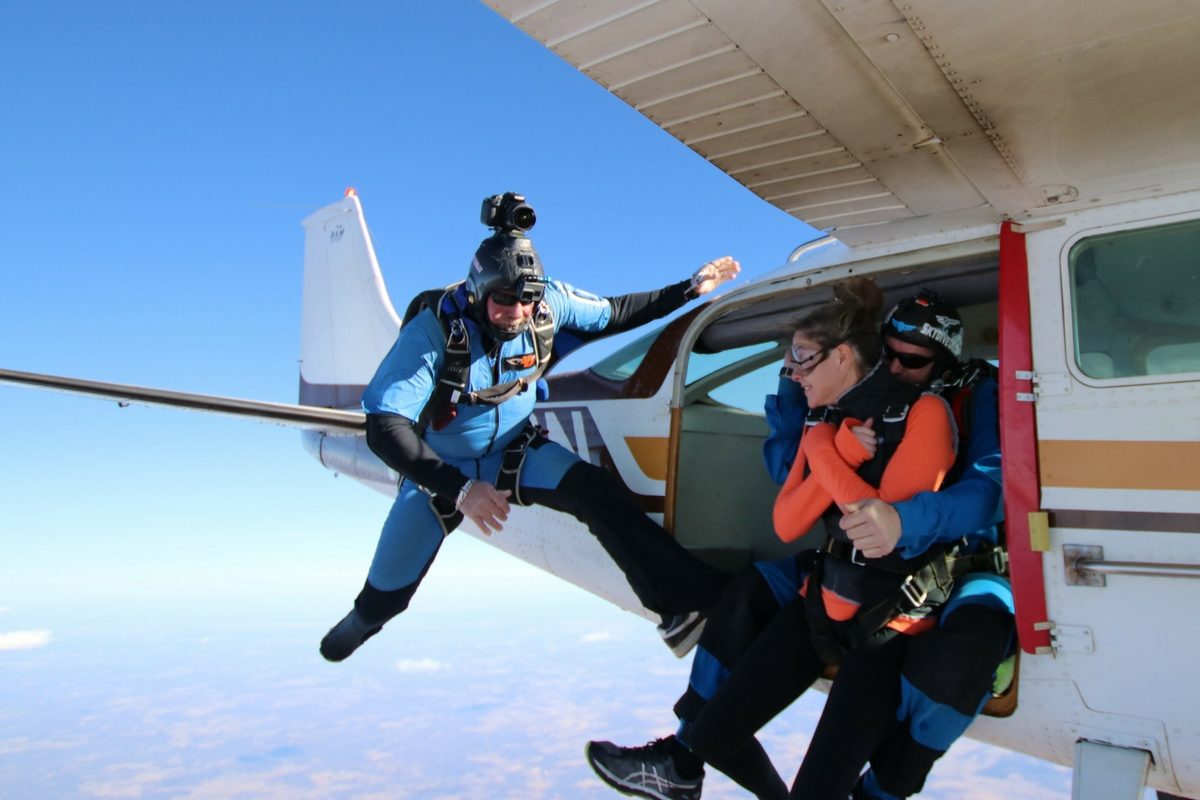
Aircraft – Aviation is expensive to do, and a skydiving business must be carefully managed to succeed. Air gets thinner on the way up, and the higher they go the harder an airplane has to work to continue climbing. Airplanes all have the highest altitude they can climb to before they can go no higher, and many dropzones are limited to jumping from 10,000 feet by the planes most commonly used in skydive operations – offering you around 35 seconds of freefall time. Here at the Oklahoma Skydiving Center we have an awesome, upgraded, rocket ship of a plane that uses a powerful turbine engine, allowing us to easily achieve 14,000ft in half the usual time – giving you a whole minute to really savor the experience. It will go even higher too, and because of this we are able to offer tandem skydives from 18,000ft on Friday and Saturday evenings, as well as other regularly scheduled opportunities for more experienced skydivers.
Oxygen – As the air gets thinner on the way up, the amount of oxygen you inhale with each breath decreases. The rules set out by most of the governing bodies for both aircraft and skydiving around the world (including the United States Parachute Association) state that jumping from an unpressurized aircraft is fine up to 15’000 feet, but any higher and you need to bring oxygen along in the plane to avoid any possible effects of not getting quite enough oxygen. This adds an extra bit of complexity to the process with O2 tanks and tubes and such, but is totally worth it now and then – so the very best way to include it is as a regular option on our weekly schedule.
Temperature – Another consequence of the thinning atmosphere as you go higher is that the temperature drops – usually by a few degrees for every 1000ft. Even in warmer months when it is balmy on the ground it can be a little chilly at jump altitude. This is not something to be concerned about because we will help you to be correctly attired for your jump, and you are not at the top for long anyway. However, considering the temperature is part of the overall process for the comfort and effectiveness of both humans and machines.
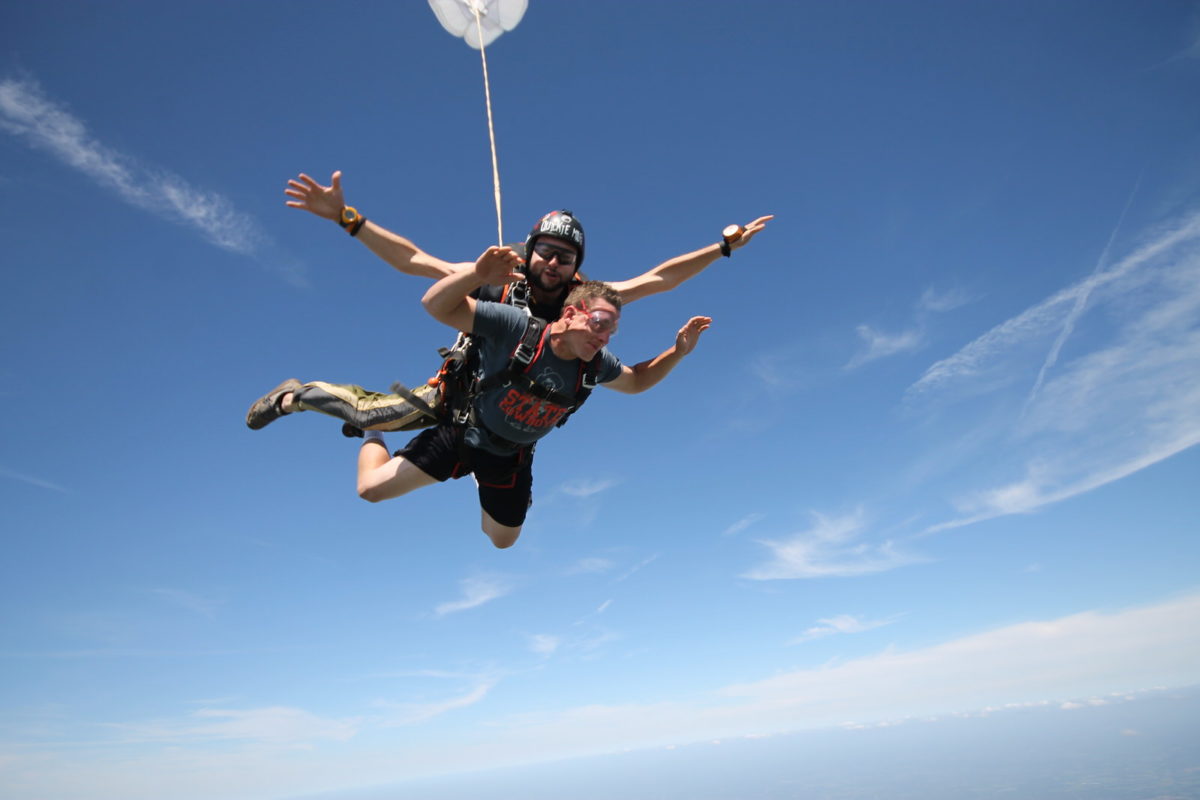
When taken all together, these main factors add up to making 14’000 the best altitude to jump from, and we are very proud at Oklahoma Skydiving Center to be able to offer not only that as standard procedure but additional options as well. More altitude is great for everyone involved – from tandem students who want the best possible experience for their first time to those who have set out on the amazing journey of becoming a licensed skydiver themselves and benefit greatly from the extra time in every jump to practice their skills. Experienced skydivers understand very well that a fast, comfortable plane that goes high is a very valuable thing for a dropzone to have, and willingly travel the extra distance to play at a place like the Oklahoma Skydiving Center – where we have exactly that.
Categories:
You May Be Interested In:
-
How Safe is Tandem Skydiving?
4 weeks ago by OklahomaSkydivingCenter
-
Is A Skydiving Proposal A Good Idea?
2 months ago by OklahomaSkydivingCenter
-
How to Calm Your Nerves Before Skydiving
3 months ago by OklahomaSkydivingCenter
-
Skydive Hairstyle: How to Look Good and Feel Great in the Air
4 months ago by OklahomaSkydivingCenter
Contact Info
Skydiving Safety
Each one of our skydiving instructors is thoroughly trained, highly experienced, and safety minded.

Copyright © 2024, Oklahoma Skydiving Center, All Rights Reserved.
DropZone Web Design & Marketing by Beyond Marketing, LLC