BASE Jumping in Oklahoma: Everything You Need to Know
Saturday, August 17, 2019
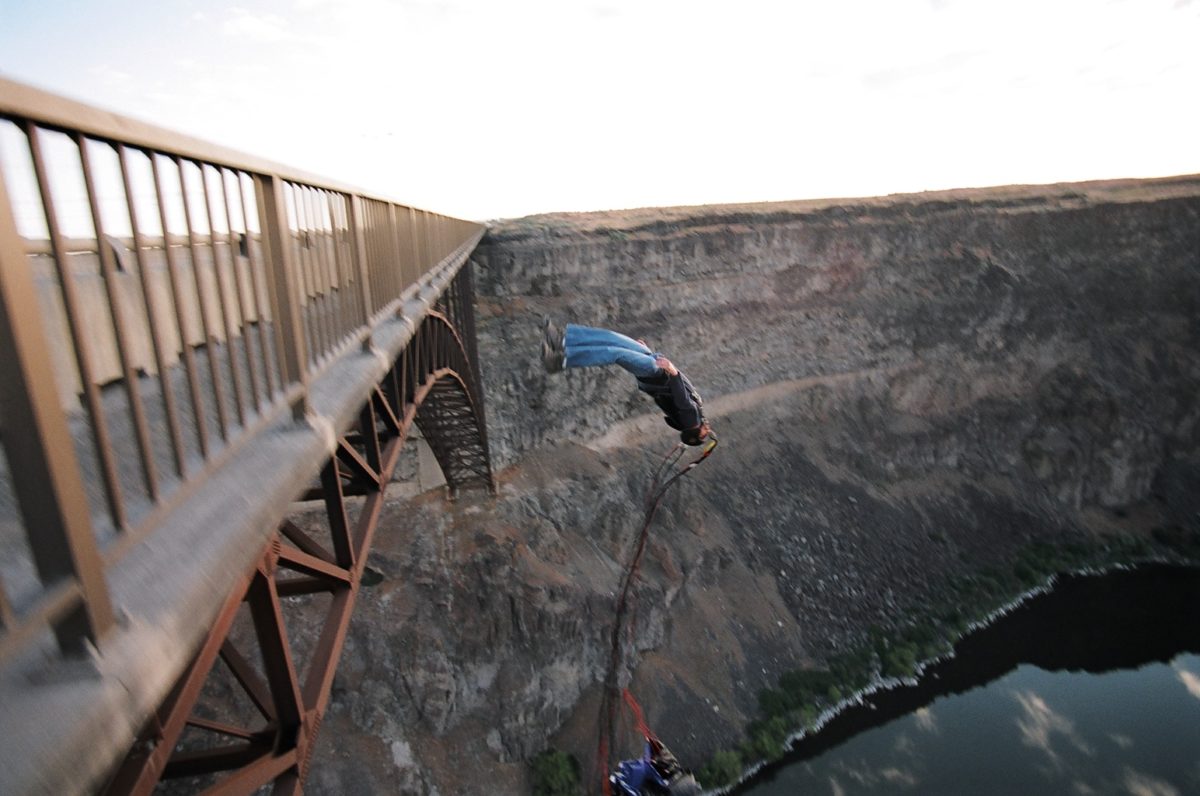
Has BASE jumping piqued your interest?
Well then! Let’s kick off with a few fun, little-known BASE jumping facts for you, dear reader.
- BASE is capitalized because it’s an acronym. B.A.S.E. stands for Building, Antenna, Span, and Earth — the four “fixed objects” we jump from most often.
- BASE jumping has actually been around longer than skydiving! The first parachute jumps were from fixed objects. Parachuting progressed to airplanes later.
- The Oklahoma Skydiving Center is the BASE jumping training facility for our region. We’re the only skydiving center in this part of the USA that provides the type of advanced training that can take skydiving parachutists to the advanced point where they’re able to jump from fixed objects.
If you’re excited about the idea of BASE jumping — and ready to commit to a very rigorous course — why not join us for a First BASE jumping course at our beautiful Oklahoma dropzone? Once you’ve logged 200 skydives, you may be ready for the next level: the ultimate rush of learning to BASE jump.
Why Learn to BASE Jump at OKSC
Here at OKSC, some of our team are longtime, veteran BASE jumpers — and we love (and respect) our amazing sport. We believe it’s important to share that love, too, in the smartest, most responsible way, with the smartest, most responsible interested jumpers.
Each year, we handpick a group of skydivers who we believe are ready to participate in our BASE jumping course. The course begins with a focus on developing canopy skills (as advanced canopy control is of primary importance in a BASE environment). Our equipment includes BASE specific canopies that can be added to the “BASER” container (with a reserve that can be used to practice BASE packing). This system allows athletes to jump their own BASE pack jobs from a plane in preparation for the significantly extended variables of an actual BASE jump.
What’s Required to Take a B.A.S.E First Jump Course?
If you’re interested in undertaking a B.A.S.E. First Jump Course at the Oklahoma Skydiving Center, you must have logged a minimum of 200 skydives, be a very current skydiver and be willing and able to travel to the BASE jumping destinations appropriate for your progression (we’ll discuss the specifics with you at some length, of course). You’ll also need to be able to train regularly at the Oklahoma Skydiving Center and have undergone a course for advanced canopy skills.
Ongoing BASE Jumping Training
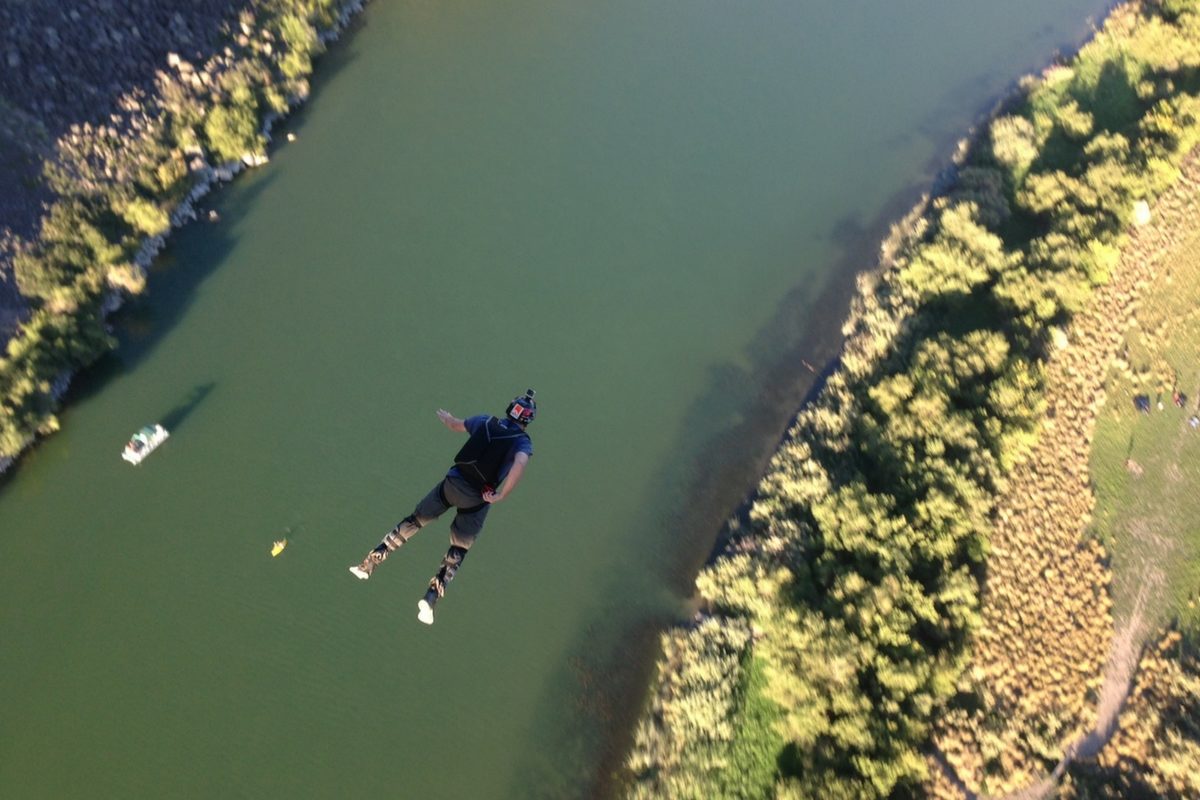
We jump in Oklahoma, sure — but we don’t just jump in Oklahoma. Oklahoma Skydiving Center’s BASE jumping community takes organized trips once or twice a year to the beautiful Perrine Bridge in southern Idaho. BASE jumping at this location is about as straightforward as BASE jumping gets and, uniquely, legal year-round. Combined, this provides an excellent learning environment for new jumpers.
If you think you’re ready for fixed object jumping, give us a call — or come out and jump with us!
Categories:
You May Be Interested In:
-
Skydive Hairstyle: How to Look Good and Feel Great in the Air
4 weeks ago by OklahomaSkydivingCenter
-
Skydiving License Levels Explained
2 months ago by OklahomaSkydivingCenter
-
Can You Skydive at Night?
3 months ago by OklahomaSkydivingCenter
-

Skydiving: The Best Gift Ever
4 months ago by OklahomaSkydivingCenter
Contact Info
Skydiving Safety
Each one of our skydiving instructors is thoroughly trained, highly experienced, and safety minded.

Copyright © 2024, Oklahoma Skydiving Center, All Rights Reserved.
DropZone Web Design & Marketing by Beyond Marketing, LLC